Longevity
Strength after forty-five is a longevity decision
Grip, gait speed and lean mass predict the next thirty years better than any number on the scale.
Ron Garcia · 14 March 2026 · 6 min read
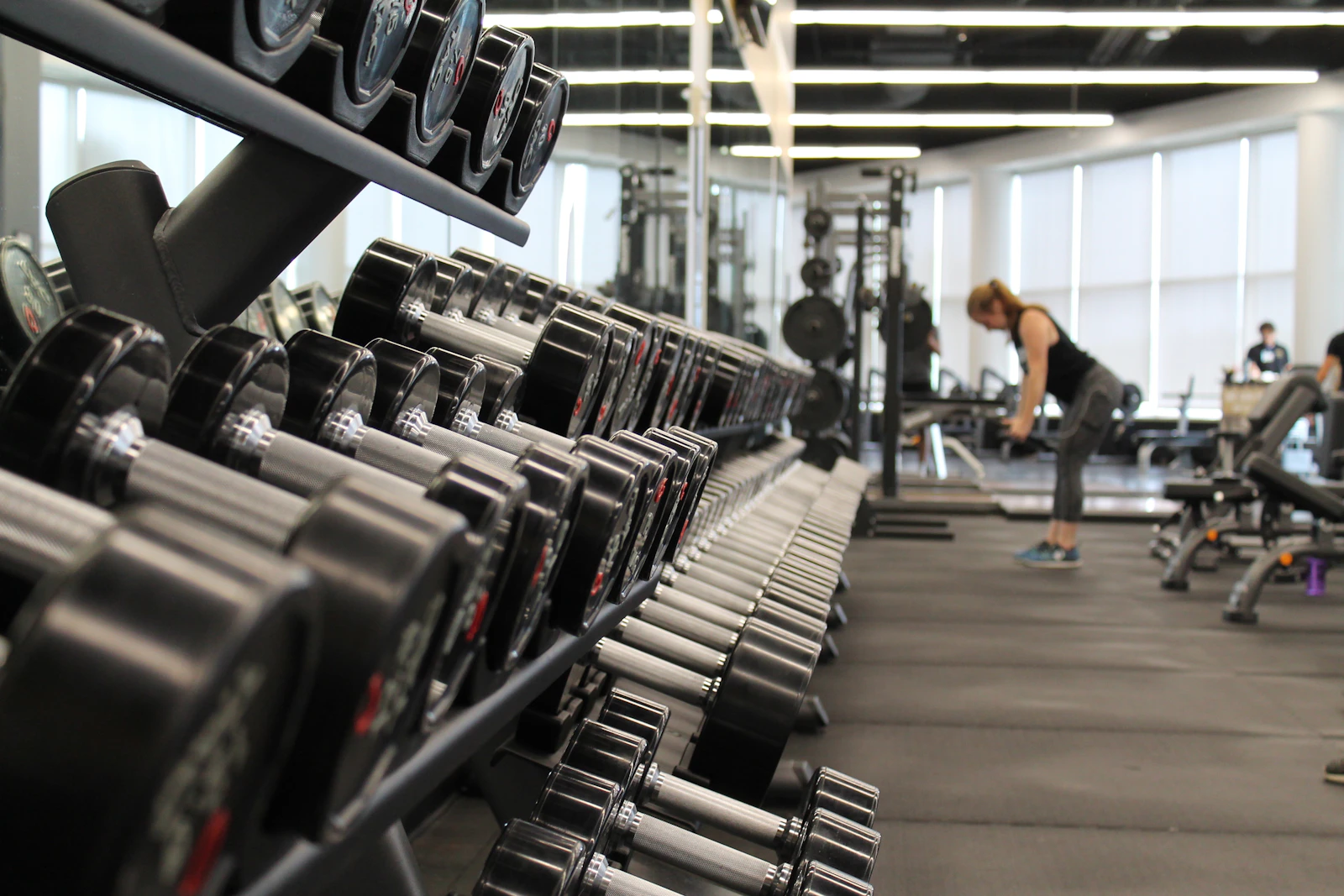
Strength training after forty-five is often framed as vanity work. It is closer to insurance. Muscle mass and strength are among the more reliable predictors of independence, fall risk and metabolic health in later decades.
The four metrics worth tracking
- Grip strength, as a broad proxy for whole-body strength
- Gait speed, which correlates with functional independence
- Lean mass, which underpins glucose handling and resilience
- Aerobic capacity, which determines how much life you can comfortably access
None of these are improved by cautious, low-load exercise. They respond to progressive resistance training performed with intent.
Training for the next thirty years looks slower and heavier than training for the next thirty days.
What a sensible week looks like
Two to three resistance sessions with real load, one longer easy aerobic effort, and short daily mobility work placed where the stiffness actually is. That is enough to move all four metrics in the right direction, and it fits inside a demanding calendar.
Start with a baseline
Without measurement this becomes guesswork. An assessment establishes where each metric sits today, which one is limiting you most, and what the next twelve weeks should prioritise.
Turn this into your plan.
A movement assessment establishes which of these principles actually applies to you, and in what order.
Book a movement assessment